
Foundation Skills
Working towards independence in self-care occupations
Tying Shoelaces:
Ian's Shoelace Site – About Ian Fieggen
Dressing with Physical Challenges:
I can do it (dressing advice for children with weakness in one arm):
19120.bklt.I can do it myself.indd (secureservercdn.net)
Using the toilet:
Potty training and bedwetting - NHS (www.nhs.uk)
Using the toilet with physical challenges:
Resources for bladder and bowel problems in children (bbuk.org.uk)
Using the toilet with sensory challenges:
Children's Teeth - NHS Website:
Working Towards Independence in School Based Occupations
Universal Support For Children With Sensory Processing Difference
Introduction to Universal Sensory Advice for parents and professionals
The Occupational Therapy service has developed a Universal Sensory offer with information and advice designed to help you, or professionals working with your child, understand how they may experience the world through their senses, and how to support them.
This advice is relevant to all children and young people who are experiencing differences in sensory processing which impact their everyday activities or routines and does not require a referral to the service.
There are two pathways. Both pathways provide ideas and strategies that typically support children with sensory processing differences. Each pathway contains training links, and resources to help implement the advice.
The home pathway looks at sensory processing in the home environment and considers the impact of sensory challenges on typical occupations that are performed in the home environment, such as bathing, dressing and brushing teeth. The home pathway is designed to be worked through by parents.
There is also a school pathway which looks at ways to support engagement and participation in education settings. The school pathway is designed to be work through by teachers and supporting staff at school.
We ask you to prioritise areas of need, and implement 1 – 3 strategies at a time, trialling them consistently for at least 2 – 3 months, to evaluate their effectiveness. It is recommended that parents let professionals working with their child know (and vice versa) that there is some information and resources for them available, if they are not already aware of this.
Home Pathway
Education Pathway
Further Useful Information and Resources available:
rcot-leaflet-occupational-therapy-and-children-and-young-people.pdf (nhsggc.org.uk)
rcot-school-leaflet.pdf (nhsggc.org.uk)
Sleep problems in young children - NHS (www.nhs.uk)
Help for Parents (nha-handwriting.org.uk)
Handwriting Without Tears | Learning Without Tears (lwtears.com)
Apps and Tips for Teaching or Helping with Handwriting (nha-handwriting.org.uk)
Buy Motor Skills United Occupational Therapy Programme | TTS (tts-group.co.uk)
Derbyshire Area Sensory Processing Needs - Derbyshire Local Offer
Middletown Centre for Autism (middletownautism.com)
Screen-Shot-2019-12-13-at-3.35.49-pm.png (616×468) (exactdn.com)
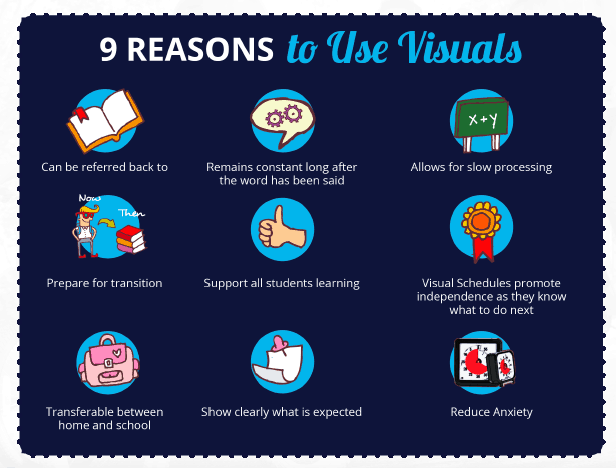
Do2Learn: Educational Resources for Special Needs
KIDS - Kids Independently Developing Skills | NHS GGC
Therapy Street for Kids | Occupational Therapy
Learning Activities To Support Your Child's Development! (ot-mom-learning-activities.com)